Changes to Medicare
Changes to Medicare
What is happening?
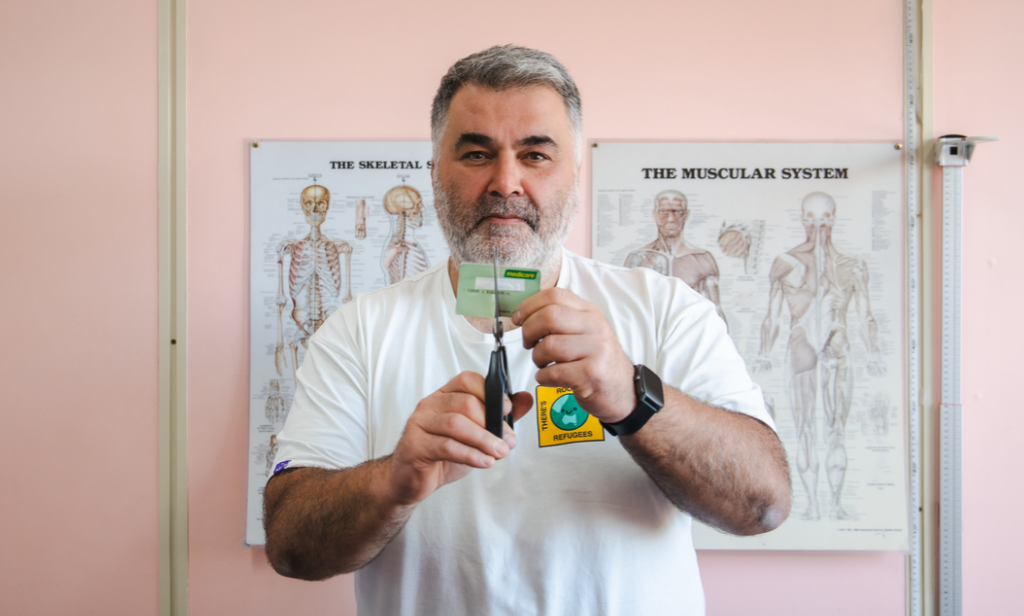
In late September, the Australian Government changed how it applies the Medicare eligibility rules for people seeking asylum. Services Australia wrote to the organisations who work with people seeking asylum to explain that because of these laws, people who have not been successful at the Administrative Review Tribunal will be removed from Medicare.
As a result, some people who have had access to Medicare for many years are now losing it, including access to healthcare and subsidised medicines. Not everyone will be affected, but the Asylum Seeker Resource Centre (ASRC) estimates that more than 250 of our clients could lose Medicare.
We are very concerned about the serious impact this will have on some people seeking asylum and their families.
Without Medicare, many people cannot afford the healthcare they need. This includes seeing a doctor, getting blood tests or scans, receiving mental health care, and getting treatment for serious or long-term illnesses. Medicines can also become much more expensive because it means losing access to the Pharmaceutical Benefit Scheme (PBS).
In the past two weeks, the ASRC’s health clinic has already been seeing several new patients every day who have lost Medicare. This includes people with disabilities, pregnant women and families with young children. Some are very unwell and need regular medical care. Without our help, their health could get much worse, and some could become seriously ill.
When people cannot afford to see a doctor, they often wait until they are very sick before getting help. This means more people may end up in hospital emergency departments, putting extra pressure on hospitals that are already very busy.
Who will be affected?
The people who will be affected are those who have applied for a protection visa, have received a negative decision at the Primary Department stage and Tribunal stage (Administrative Review Tribunal), even if they are exercising their legal rights to appeal through the courts. It will also affect people who have asked the Minister for Home Affairs to intervene in their case (Ministerial Intervention).
Previously, many people in these circumstances with the right to work also had access to Medicare, but now the Government has decided that they will lose access.
This change does not affect people in the Fast Track cohort or ‘Transitory’ people who have been subjected to offshore processing. This is because they have not received a negative decision at the Administrative Review Tribunal.
There is more information about Medicare eligibility on the Medicare website here.
What does the law say about this change?
The Government is relying on existing Australian laws about Medicare eligibility in the Health Insurance Act 1973, which says that some people applying for permanent protection visas can access Medicare while their applications are being assessed by Home Affairs or reviewed by the ART.
The law says that people are eligible as long as their application for protection has not been ‘finally determined’, and relies on the definition of ‘finally determined’ in the Migration Act 1958.
What happens next?
Services Australia has said that they will contact people who may lose Medicare by phone and, where possible, by letter. The people contacted will have 28 days to provide information showing that they are still eligible for Medicare under another rule. If they do not respond, or cannot show that they are eligible, their Medicare access will end.
If you lose Medicare, you may still be able to get help with healthcare and medicines through the Asylum Seeker Resource Centre’s health clinic or another community health clinic closer to where you live. You can also apply for Medicare again if your circumstances change, for example if you win an appeal and your case goes back to the Department of Home Affairs.
Click here to see how to get help.

Connect with us
Need help from the ASRC? Call 03 9326 6066 or visit us: Mon-Tue-Thur-Fri 10am -4pm. Closed on Wednesdays.